

If you’re thinking about swapping your boiler, one of the most common questions I get asked is, “Do I need new pipework as well?” It’s a fair concern. A boiler isn’t a small investment, and the last thing you want is extra work added on unnecessarily.
The honest answer is: not always. In plenty of homes across Bognor and Rose Green, the existing pipework is perfectly adequate. In others, upgrading some or all of it makes sense for performance, efficiency and reliability. It really depends on the condition and size of what’s already there.
Let’s break it down in plain English so you can make a sensible decision for your home.
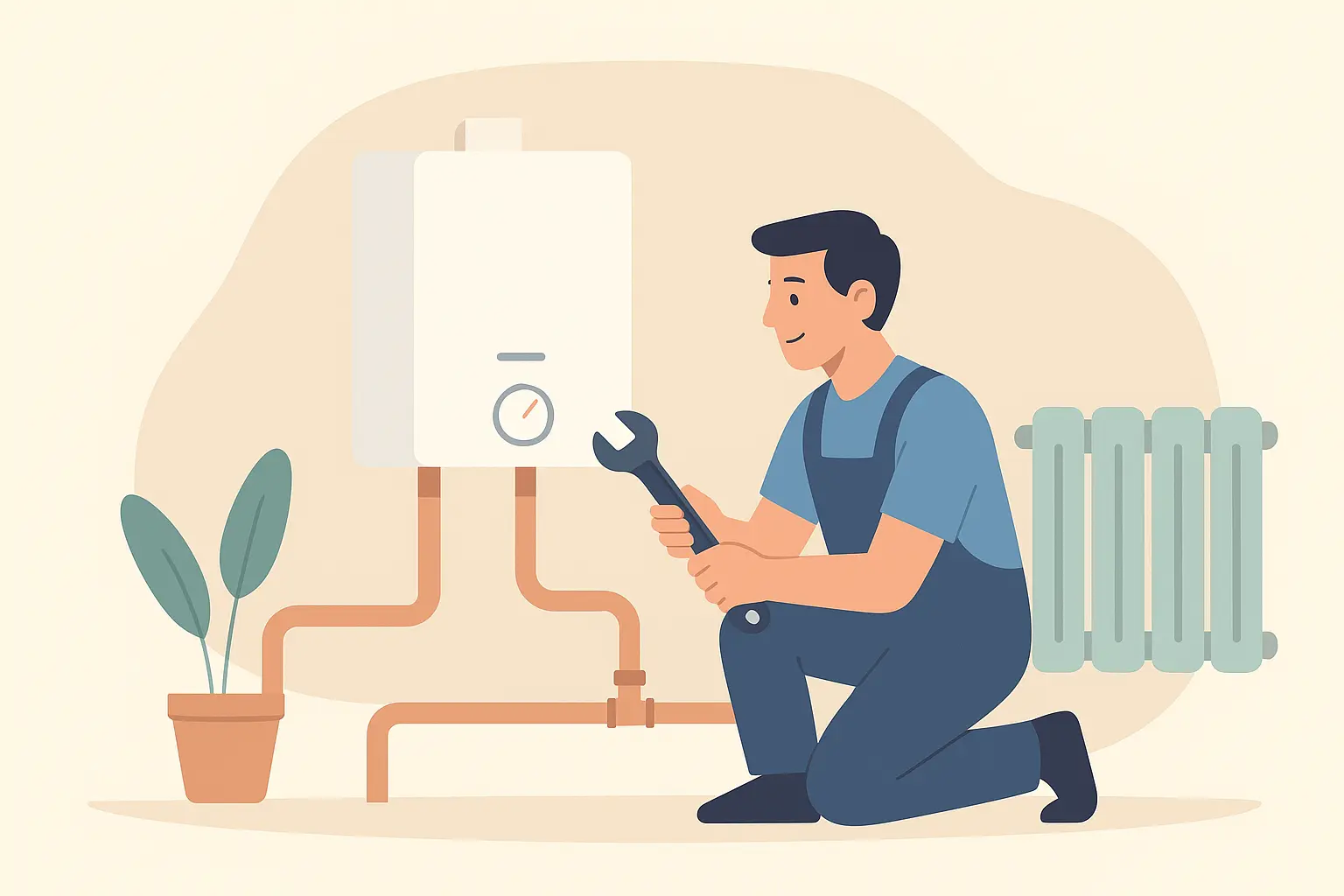
When Existing Pipework Is Suitable (and When It’s Not)
In many straightforward boiler replacements, especially like-for-like swaps, the existing central heating pipework can stay exactly as it is.
If your system has:
- Modern copper or plastic pipework
- No ongoing leaks or corrosion
- Correct pipe sizing for the new boiler
- A clean system with good circulation
then there’s often no need to start ripping up floors.
However, there are situations where upgrading pipework is advisable.
Old Microbore Systems
Microbore pipework, which was common in the 70s and 80s, uses smaller diameter pipes. It can work fine, but over time these pipes are more prone to sludge build-up. I’ve been into homes in Elmer where radiators never quite heat properly because the system is struggling to circulate through narrowed pipes.
If you’re fitting a modern, high-efficiency boiler, it may expose weaknesses in an older microbore setup.
Gas Pipe Upgrades
This is a big one people don’t always expect. Modern boilers can require a larger gas supply pipe than older models. If the existing gas pipe is too small, the new boiler won’t perform properly.
It’s not about upselling. It’s about making sure the appliance gets the gas supply it was designed for. If it doesn’t, you can run into reliability issues and even safety concerns.
Poor Layout or Previous DIY Work
Over the years, I’ve seen all sorts under floorboards in properties around Bognor. Pipes joined with mismatched fittings, unsupported runs, even the occasional bit of hosepipe pressed into service.
If pipework is badly routed or poorly installed, a new boiler won’t fix those underlying problems. Sometimes it makes sense to correct them while the system is already being worked on.
Benefits of Upgrading Pipework During Boiler Installation
If pipework does need upgrading, doing it at the same time as your boiler installation has a few clear advantages.
- Improved efficiency through better water circulation
- Reduced strain on the new boiler
- Quieter system operation
- Lower risk of future leaks
Modern condensing boilers are more sensitive to system conditions than the old, chunky models many homes used to have. They work best with clean, correctly sized pipework and good flow rates.
Upgrading sections of pipe can often resolve long-standing issues like cold spots on radiators, kettling noises or that one room that never quite warms up in winter.
Professional Assessment and What to Expect
A proper assessment should always come before any decisions are made.
When I inspect a system, I look at:
- Pipe diameter on both heating and gas lines
- Visible signs of corrosion or damage
- System water quality
- Radiator performance
- Pump and flow rates
Sometimes we’ll recommend a powerflush or chemical clean rather than replacing pipework. Other times, it’s just a case of upgrading the gas pipe from the meter to the boiler location.
You shouldn’t feel pressured. A good engineer will explain what’s necessary, what’s recommended and what’s optional.
It’s also worth remembering that installation sits alongside ongoing maintenance. Regular servicing and occasional repairs play a huge part in system longevity, which you can read more about on our boiler service and repair page.
Cost Considerations and Long-Term Savings
Naturally, cost comes into it. Replacing pipework adds labour and materials, particularly if floors need lifting.
That said, it can save money long term if it:
- Prevents repeated breakdowns
- Improves efficiency and lowers heating bills
- Avoids future emergency leak repairs
I’ve seen homeowners try to save a bit upfront, only to face ongoing issues because undersized gas pipework was left in place. In those cases, we end up doing the upgrade later anyway.
Every property is different. A modern house in Rose Green with tidy pipe runs under chipboard flooring is very different from a Victorian terrace in central Bognor with layers of previous alterations.
It’s also worth considering any wider plumbing improvements at the same time. If you’re already making changes, other heating or plumbing upgrades can sometimes be tackled together, which is covered more broadly on our other services page.
Conclusion: Making the Right Choice for Your Home
So, do you need new pipework with a boiler? Not necessarily. Many systems are perfectly serviceable as they are.
But in some cases, particularly with older gas supplies, microbore heating systems or poor previous installations, upgrades are the sensible option. The key is getting an honest assessment rather than assuming either way.
Homes across Bognor, Rose Green and Elmer all have their quirks. What works in one property might not in another. A proper look at your existing system will tell you far more than general advice ever can.
If you’re planning a new boiler and want clear, straight guidance based on your actual setup, contact us today to discuss your boiler installation and get expert advice.. T Griffin is always happy to talk things through properly so you can make the right choice for your home.